
Living with pets means opening your home to companionship, comfort, and daily routines that quickly become part of family life. It also means dealing with smells that can slowly build up if they are not managed consistently. Pet odors rarely come from one single source. They usually develop from a combination of fur, natural oils, moisture, bacteria, and repeated use of the same spaces. When those smells are ignored, they tend to spread and become more noticeable over time.
The goal of pet odor control is not to eliminate every natural scent or make your home smell artificial. Pets will always smell like pets to some degree, and that is normal. What matters is preventing strong, lingering odors that make a home feel stale or uncomfortable. DIY odor control focuses on removing the cause of smells rather than covering them up. With simple ingredients and consistent habits, it is possible to keep your home clean, fresh, and welcoming without harsh chemicals or constant products.
The five DIY remedies in this article focus on the most common odor sources in pet-friendly homes. Each remedy works on its own, but they are most effective when used together as a system. These methods are realistic for everyday life and safe for both pets and people. Consistency matters more than perfection, and small habits make the biggest difference.
DIY Remedy 1: Baking Soda Absorption For Fabrics And Soft Surfaces
Baking soda is one of the most effective DIY tools for pet odor control because it absorbs odors instead of masking them. Soft surfaces such as carpets, rugs, couches, and pet beds are some of the biggest odor traps in a home. Over time, fur, skin oils, and moisture sink deep into the fibers of these materials. Sprinkle baking soda evenly across the surface, avoiding thick piles that are difficult to remove. Allow it to sit for at least thirty minutes so it has time to pull odors out of the fabric.
For areas where pets spend a lot of time, leaving baking soda in place for several hours or overnight can be even more effective. Pet beds and favorite lounging spots benefit from longer absorption. After the waiting period, vacuum slowly and thoroughly to remove both the baking soda and the odors it captured. Rushing this step often leaves residue behind, which reduces effectiveness. This method is affordable, simple, and easy to repeat as part of a regular cleaning routine.
In addition to fabrics, baking soda can help with air odors. Open bowls of baking soda placed near pet sleeping areas, litter boxes, or crates quietly absorb smells from the surrounding air. These bowls should be replaced weekly to stay effective. Baking soda does not add fragrance, which helps keep the environment familiar and comfortable for pets. It works best as a steady, ongoing solution rather than a one-time fix.
DIY Remedy 2: Vinegar And Water Deodorizing Spray For Hard Surfaces
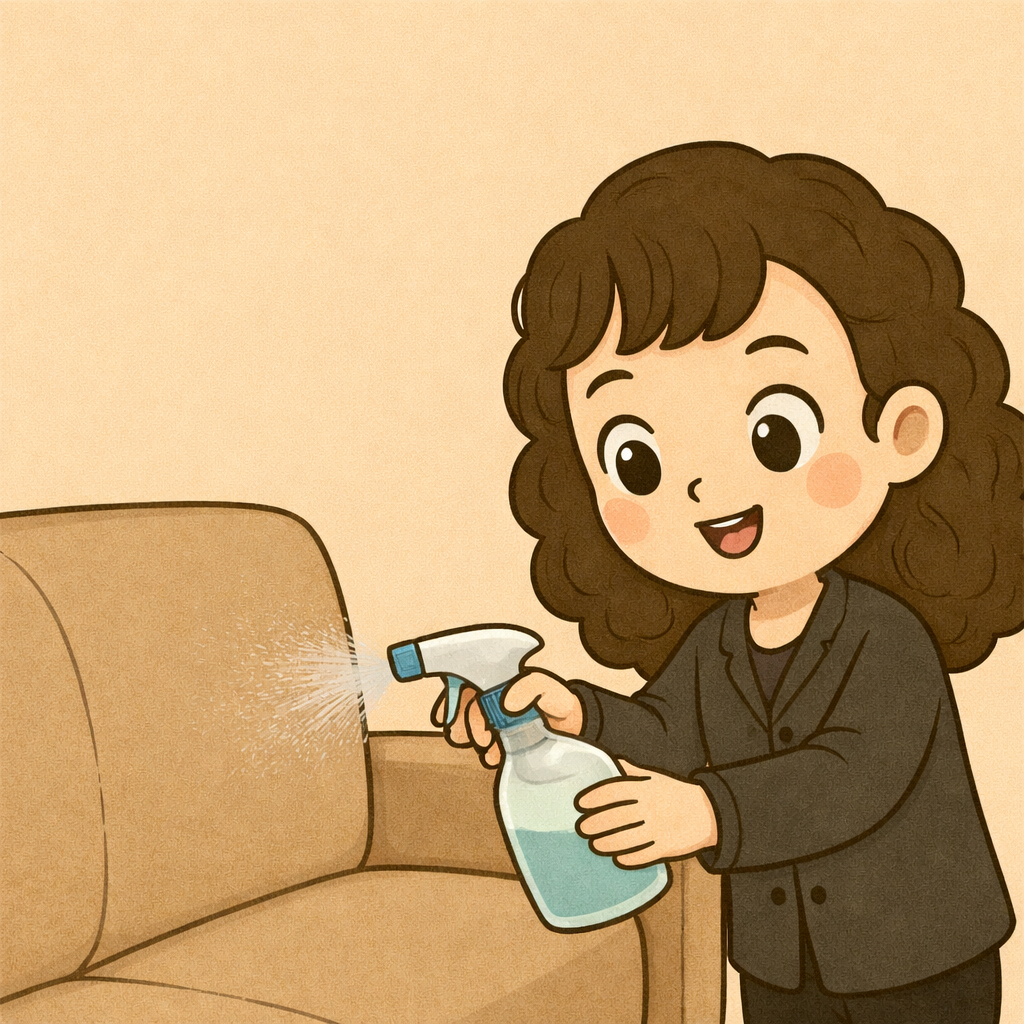
White vinegar is a powerful DIY deodorizer because it neutralizes odor-causing bacteria rather than covering smells. Hard surfaces such as floors, baseboards, walls, and feeding areas can hold onto odors even when they look clean. To make a simple vinegar spray, mix equal parts white vinegar and water in a spray bottle. Use this solution on hard floors, around litter box areas, near food bowls, and anywhere pets frequently walk or rest. The vinegar smell may be noticeable at first, but it disappears completely once the surface dries.
Before using the spray widely, always test it on a small area, especially on wood or stone surfaces. Avoid spraying vinegar directly on pets or delicate finishes. This DIY spray is especially helpful in areas where odors seem to return quickly. Regular use prevents smells from building up over time. Vinegar works quietly in the background and leaves surfaces clean without lingering scent.
Using vinegar as part of a routine helps maintain freshness without relying on commercial cleaners. It breaks down bacteria that cause odors to form in the first place. This makes it more effective than products that simply add fragrance. Vinegar also helps remove residue left behind by other cleaners. When used consistently, it supports every other odor control method in the home.
DIY Remedy 3: Deep-Clean Routine For Pet Bedding And Washable Fabrics
Pet bedding is one of the most common sources of lingering pet odor. Fur, drool, skin oils, and outdoor debris collect quickly and sink deep into the fabric. Even when bedding looks clean, odors can remain trapped inside. Start by shaking bedding outside to remove loose hair and dirt. This step helps prevent fur from clogging the washing machine and allows cleaning products to work more effectively. Wash bedding in hot water using an unscented detergent to avoid irritating your pet’s skin.
Add half a cup of baking soda during the wash cycle to absorb odors. During the rinse cycle, add half a cup of white vinegar to neutralize any remaining smells. This combination helps break down odor-causing buildup without leaving fragrance behind. Air drying is best when possible, as fresh air helps remove lingering odors more completely than machine drying alone. Sunlight can also help reduce odors naturally.
Washing pet bedding weekly prevents smells from becoming embedded over time. In homes with multiple pets or heavy shedding, more frequent washing may be needed. If bedding continues to smell after deep cleaning, it may be time to replace it. Some materials hold onto odors permanently once they break down. Regular maintenance keeps bedding fresh and comfortable for pets while protecting the surrounding space.
DIY Remedy 4: Litter Box Or Potty Area Odor Control System
Litter boxes and indoor potty areas require consistency rather than fragrance to stay odor-free. Start by washing the litter box or potty tray weekly using hot water and white vinegar. Avoid soaps that leave residue, since residue traps odors instead of removing them. Once the box is completely dry, sprinkle a thin layer of baking soda across the bottom. Add fresh litter or pads on top of the baking soda layer.
Daily scooping or pad changes are essential for preventing odor buildup. Skipping even one day allows smells to compound and spread quickly. Baking soda helps absorb odors, but it cannot compensate for missed cleanings. This DIY system works best when paired with routine maintenance. The goal is to stop odors before they rise into the air.
Placement also matters. Keeping litter boxes or potty areas in well-ventilated spaces helps odors dissipate more easily. Regular washing prevents bacteria from building up on surfaces. When maintained consistently, odors become predictable and manageable rather than overwhelming. This routine supports both cleanliness and pet comfort.
DIY Remedy 5: Pet Coat Care And Airflow Maintenance

Sometimes odors start with the pet rather than the home. Regular brushing removes loose fur, dander, and natural oils before they spread to furniture and floors. Brushing also improves coat health and reduces shedding. Wiping paws and lower legs with a damp cloth after outdoor time prevents dirt and outside odors from being tracked indoors. This simple habit makes a noticeable difference over time.
Bathing pets should be done only when necessary using pet-safe shampoo. Overbathing can dry the skin and actually increase odor by causing irritation. Always dry coats completely after bathing, since damp fur holds smells longer. Check ears, skin folds, and paws regularly for signs of infection or buildup that can cause strong odors. Addressing these issues early prevents larger problems later.
Airflow supports every other odor control effort in the home. Opening windows when weather allows helps exchange stale air for fresh air. Fans keep air moving so odors do not settle into fabrics. Open bowls of baking soda placed in odor-prone areas help absorb smells from the air. Good airflow keeps the entire environment fresher and more balanced.
Final Thoughts
DIY pet odor control works best when simple habits are done consistently. Baking soda, vinegar, routine cleaning, grooming, and airflow work together to manage odors naturally. These methods are affordable, pet-friendly, and realistic for everyday life. Pets will always have a natural scent, and that is completely normal. The goal is a home that smells clean, calm, and comfortable for everyone who lives there.