
Cats are famous for their elegance, confidence, and mysterious attitudes. But when sensitive skin enters the chat, all bets are off. One moment your cat is strutting like royalty. The next, they are scratching like they are trying to dig through the couch.
Sensitive skin in cats is more common than many pet parents realize. The good news is that once you know the signs, you can take simple steps to help your cat feel comfortable again.
Let’s break it all down without making it feel like a vet textbook.
1. Constant Scratching That Never Ends
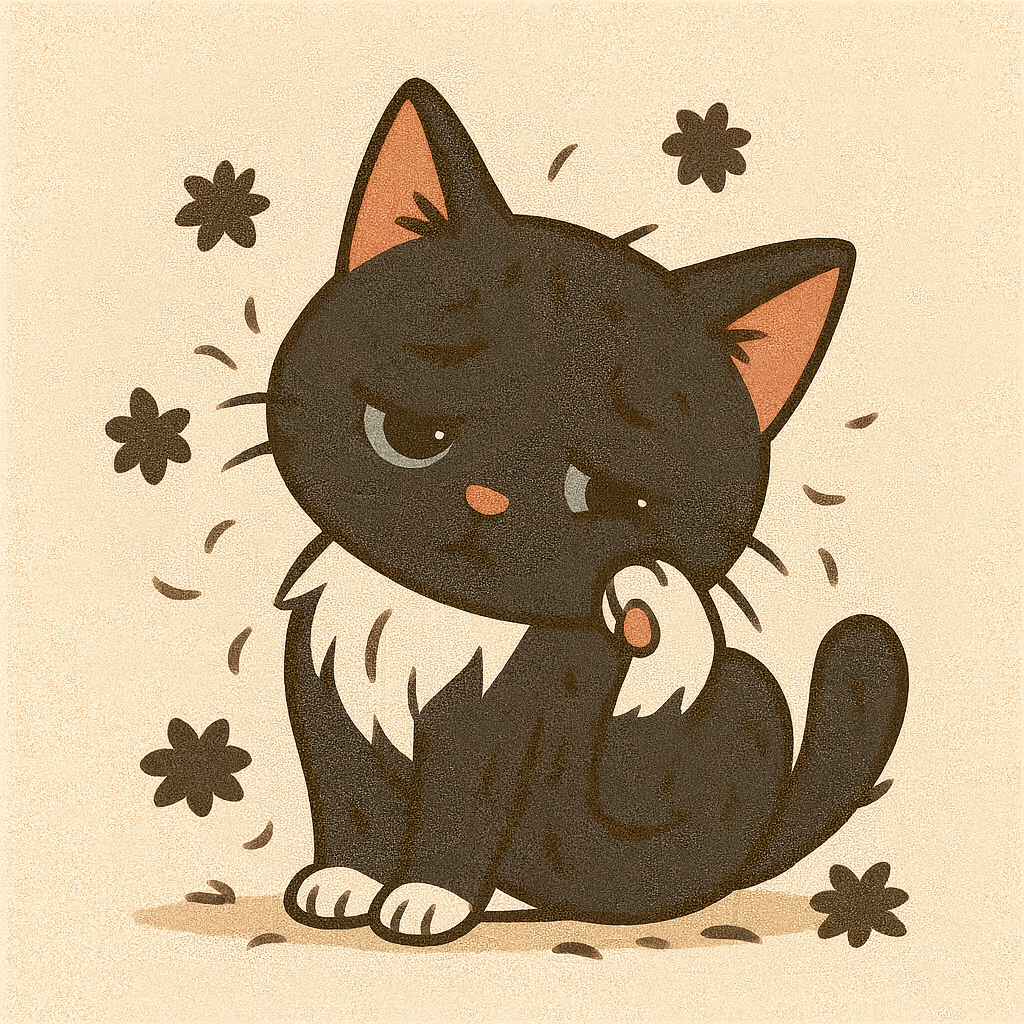
A little scratching is normal. A lot of scratching all day long is not. If your cat sounds like popcorn popping every time they move, that is your first big clue.
What to do:
Start by checking for fleas and switching to a gentle, sensitive-skin shampoo. grooming products can make itching much worse.
2. Red, Flaky, Or Irritated Skin
If your cat’s skin looks angry, flaky, or inflamed, it is usually a sign of dryness, allergies, or product irritation.
What to do:
Avoid shampoos with strong fragrances and stick to formulas made specifically for sensitive skin. Also keep baths short and infrequent.
3. Over-Grooming Bald Spots
Cats already clean themselves like it is a full-time job. But if you notice bald patches or thinning fur, their skin may be uncomfortable underneath.
What to do:
Sensitive-skin grooming products and a quick vet check can rule out infections or parasites. Over-grooming is often a cry for help, not just vanity.
4. Constant Head Shaking Or Ear Scratching
If your cat is shaking their head like they are trying to win a dance battle, ear and skin irritation may be involved.
What to do:
Check for redness and talk to your vet about gentle ear cleaning. Some skin allergies show up around the face and ears first.
5. Scabs Or Small Bumps Along The Back Or Neck
If your cat suddenly feels like a bumpy country road when you pet them, something is irritating their skin.
What to do:
This can be caused by allergies, fleas, or even reactions to grooming products. Switching to a hypoallergenic shampoo often helps calm things down.
6. Dandruff That Looks Like Snowfall
If white flakes are showing up on dark furniture or black fur, your cat’s skin may be too dry.
What to do:
Increase hydration with fresh water, consider omega-rich food, and use moisturizing, soap-free cat shampoos when bathing.
7. Behavior Changes And Grumpiness
When skin is uncomfortable, cats get moody. If your normally sweet cat suddenly does not want to be touched, their skin could be the reason.
What to do:
Pay attention to new products, diet changes, or environmental shifts. Cats often react quickly to allergens.
The Big Mistake Many Cat Parents Make
One of the biggest mistakes is using regular cat shampoo or worse, human shampoo. What smells amazing to us can be incredibly irritating to sensitive feline skin.
Cats with sensitive skin need gentle formulas that are fragrance-free, soap-free, and designed specifically for irritation-prone skin.
When To Call The Vet
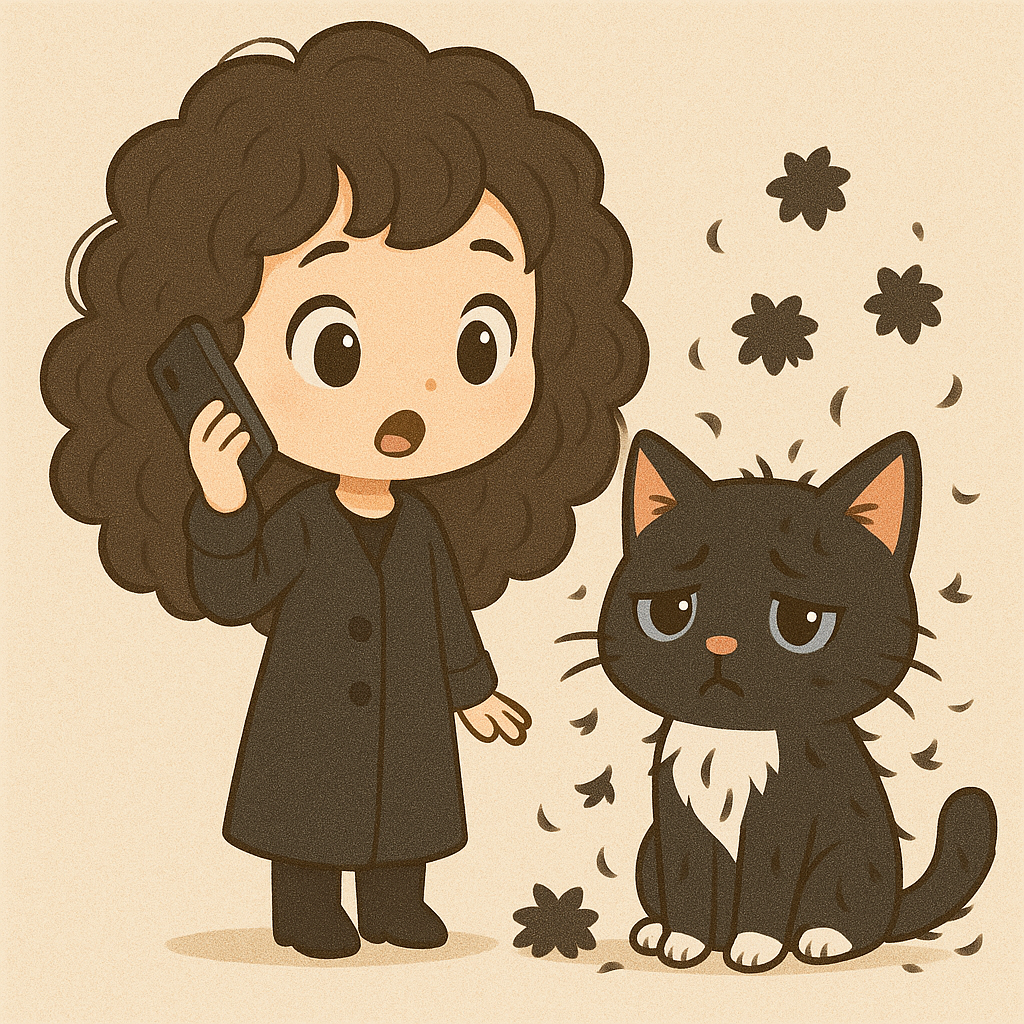
If your cat’s skin issues are severe, bleeding, spreading fast, or not improving within a few days, it is time for a vet visit. Sometimes sensitive skin is masking deeper allergies or infections.
Final Thoughts
Sensitive skin can turn even the most confident cat into an itchy little chaos gremlin. The key is spotting the signs early and making small, smart changes with grooming products, diet, and environment.
The right shampoo alone can make a noticeable difference in just a few baths.
This is a great and informative post — you’ve clearly laid out many of the important signs that a cat might have sensitive skin, and how small changes (gentle shampoos, checking for fleas, better hydration, etc.) can really make a difference. I appreciate how you emphasize that over-grooming, flaky skin, or seemingly “normal” scratching can actually signal discomfort. As someone reading this as a cat owner, I find the advice about avoiding regular shampoos and opting for fragrance-free, hypoallergenic products especially useful. I wonder — for cats with chronic skin sensitivity, do you recommend rotating grooming products (e.g. switching shampoos occasionally) or sticking consistently to one gentle product over time to avoid flare-ups?
For cats with chronic skin sensitivity, it’s usually best to stick with one gentle, fragrance-free product to minimize the chance of irritation, but always watch for changes and consult your vet if flare-ups persist. If you have any more questions feel free to ask.
This post really resonated with me as a cat owner. I have several cats at home, and I’ve noticed that a couple of them occasionally scratch or have dandruff. It can be tricky to determine whether this is just normal grooming behavior or a sign of sensitive skin. I appreciate your reminder to avoid using human shampoos, as it’s easy to forget how harsh they can be for pets.
Do you find that changes in diet, such as adding omega-rich foods, have a bigger impact than switching grooming products? Additionally, when you have multiple cats, how can you distinguish whether the issue is environmental, like allergens, versus something specific to each cat?
yes diet changes like adding omegas often help more than product swaps, and tracking each cat’s symptoms separately can reveal if it’s individual or environmental. If you have any more questions feel free to ask.